
Andean Bear
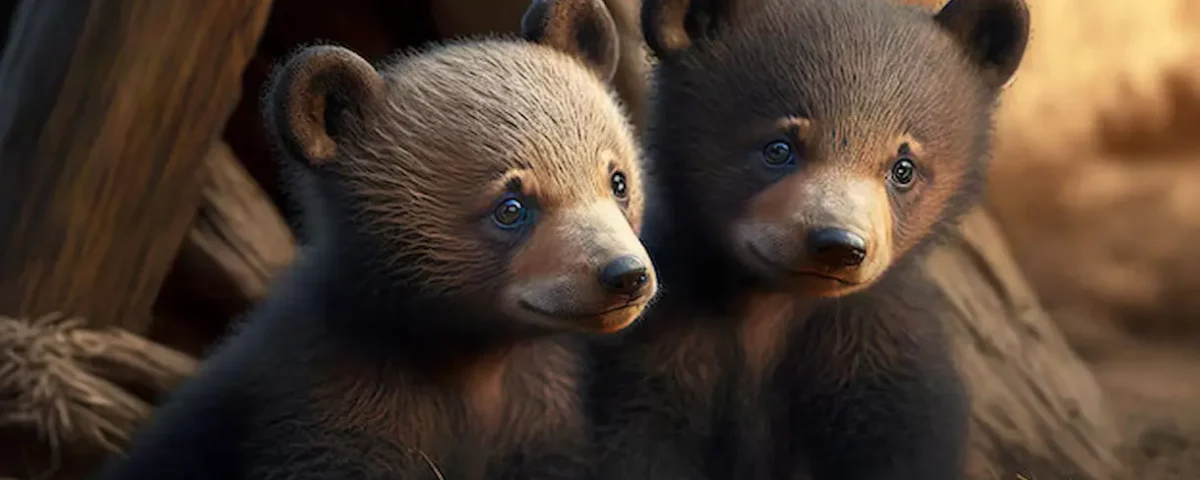
Description:
Andean bears, also known as spectacled bears, have a distinctive facial marking pattern that can include white or light-colored fur around the eyes, resembling spectacles. Their fur is mostly black, but can also have shades of brown and red. They are medium-sized bears with a stocky build. Males are larger than females, typically weighing between 220-440 pounds (100-200 kg). Females weigh between 130-180 pounds (60-82 kg). They measure about 5-6.5 feet (1.5-2 meters) in length.
Diet:
Andean bears have a diverse diet that includes fruits, berries, bromeliads, cactus, palm nuts, bamboo hearts, small mammals, birds, and carrion. They are highly adaptable and can exploit a variety of food sources. These bears are excellent climbers, often foraging for food in trees.
Habitat:
Andean bears are found in the Andean regions of South America, including Venezuela, Colombia, Ecuador, Peru, and Bolivia. They inhabit a range of environments, from lowland rainforests to high-altitude grasslands (páramo). They are often found in cloud forests at elevations between 600 and 4,750 meters (1,970 to 15,580 feet).
Conservation Status:
-
IUCN Status:
Vulnerable. The primary threats to Andean bears include habitat loss due to agriculture and mining, poaching, and human-wildlife conflict.
-
Threats:
Deforestation, illegal hunting, and habitat fragmentation.
Here is a popular YouTube video about Andean Bears that provides more information and showcases their behavior.
Andean bears, with their unique facial markings and adaptability, are vital to the ecosystems of the Andean mountain range and hold cultural significance in the regions they inhabit.